

Now, Nonoki has become Zozoki!
Music streaming has become an essential part of our daily lives, whether we’re commuting, working out, or relaxing at home. The rise of platforms promising access to millions of songs and videos has transformed how we experience music.
One emerging service is Zozoki Music, a platform that bills itself as a complete, free alternative for streaming both music and videos.
In this post, we’ll explore what Zozoki Music is, its features, pros and cons, and the best alternatives, providing actionable insights for anyone searching for “Zozoki Music review” or “Zozoki alternatives” among the “best music streaming apps.”
What Is Zozoki Music?
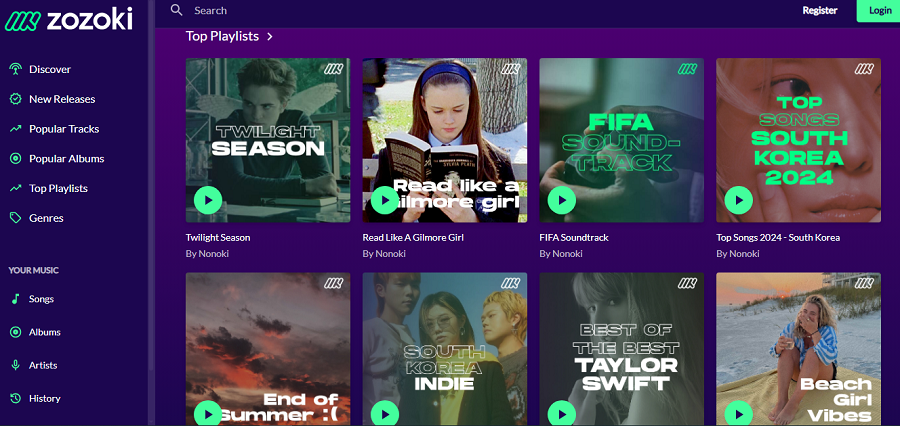
Zozoki Music was formerly known as Nonoki Music. It is a relatively new music and video streaming platform offering users access to a wide variety of songs and music videos on demand.
It positions itself as a budget-friendly alternative to mainstream streaming services, claiming to provide both audio and video content in one place. The platform is accessible via a web player, Android, and iOS apps, making it flexible for users across devices.
Zozoki’s pricing model seems to be a mix of free streaming and paid subscriptions, although exact pricing and tier details are not fully transparent. Its terms of use indicate that any paid subscription has a 14-day revocation period and emphasize personal, non-commercial use.
While the service promises unlimited access to music and videos, the catalogue size, audio quality, and licensing details are less publicly documented compared to established platforms.
For users seeking a low-cost or free streaming option that includes both video and audio, Zozoki could be an appealing choice.
However, for those who prioritize catalogue size, reliability, and high-quality audio, established alternatives may provide a more robust experience.
Key Features of Zozoki (Nonoki)
Here is what you get from Zozoki (also known as Nonoki Music):
Catalogue & Formats
Zozoki allows streaming of songs and music videos. The dual audio/video offering is its standout feature, though the catalogue size is not clearly published.
Platform Support
Web, Android, and iOS apps ensure cross-device compatibility.
Pricing
Zozoki markets itself as a “cheap” or free service with the possibility of paid subscriptions, though details on paid tiers are sparse.
| Plan | Price (approx) | Notes |
|---|---|---|
| Free Tier | €0 | Stream music and videos online with possible ads and limited features |
| Premium Tier | €4.99–€7.99/month (estimated) | Ad-free experience, higher quality streaming, and possible offline mode |
| Annual Plan | €49.99/year (estimated) | Discounted yearly subscription, includes all Premium features |
User Experience
Promises a “complete” music experience, but with limited publicly available information on playlists, discovery algorithms, and audio quality.
Unique Selling Points
- Music and video streaming on one platform.
- Low-cost or free access.
- Web and mobile app compatibility.
Other Considerations: Users should be aware of potential regional restrictions, content gaps, and unknowns regarding customer support and app updates.
Pros and Cons of Zozoki Music
Advantages of Zozoki
✅ Low-cost or free tier for budget-conscious users.
✅ Audio and video content combined in one platform.
✅ Accessible via web, Android, and iOS apps.
✅ Claimed unlimited playback.
Disadvantages of Zozoki
❌ Catalogue size and licensing details unclear.
❌ Limited information on audio quality and offline mode.
❌ Regional availability may vary.
❌ Less established platform with potential reliability risks.
❌ Possible limitations in the free tier (ads, skips, offline restrictions).
The Best Zozoki (Nonoki) Music Alternatives
Here’s an in-depth look at the most popular Zozoki alternatives, each with an overview, key features, pricing, pros, and cons.
1. Spotify
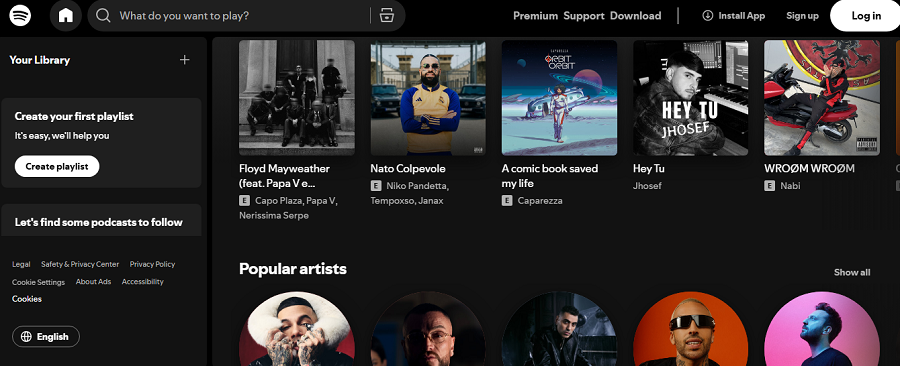
Spotify has long stood as the gold standard among music streaming platforms. Launched in 2008, it revolutionized how users discover and listen to music by introducing a freemium model that blends convenience, personalization, and accessibility.
With over 100 million tracks, Spotify caters to virtually every genre, mood, and moment imaginable. Its recommendation engine, powered by user data and AI, learns from listening habits to deliver ultra-personalized playlists like Discover Weekly and Release Radar.
Beyond music, Spotify now features podcasts, audiobooks, and live sessions, making it an all-in-one audio platform.
Whether you’re using the free ad-supported version or the Premium subscription, Spotify’s intuitive interface and seamless cross-device syncing continue to make it one of the best music streaming apps available today.
Key Features of Spotify
- Free tier with ads and limited playback.
- Premium tier with offline downloads, ad-free listening, and higher audio quality.
- Smart playlists like Discover Weekly and Daily Mix.
- Cross-platform access, including web, desktop, mobile, and smart speakers.
- Collaborative playlists and social sharing.
Pricing of Spotify
| Plan | Price (approx) | Notes |
| Free | €0 | Ads, limited playback controls |
| Premium | €9.99/month | Ad-free, offline mode |
| Family | €15.99/month | Up to 6 accounts |
| Student | €4.99/month | Discounted tier |
Pros of Spotify
✅ Extensive music library.
✅ Excellent discovery tools.
✅ Reliable, mature platform with numerous integrations.
Cons of Spotify
❌ Free tier includes ads and limited features.
❌ Standard Premium audio is not hi-res without optional upgrades.
❌ Algorithms may create repetitive playlists for some users.
2. Apple Music
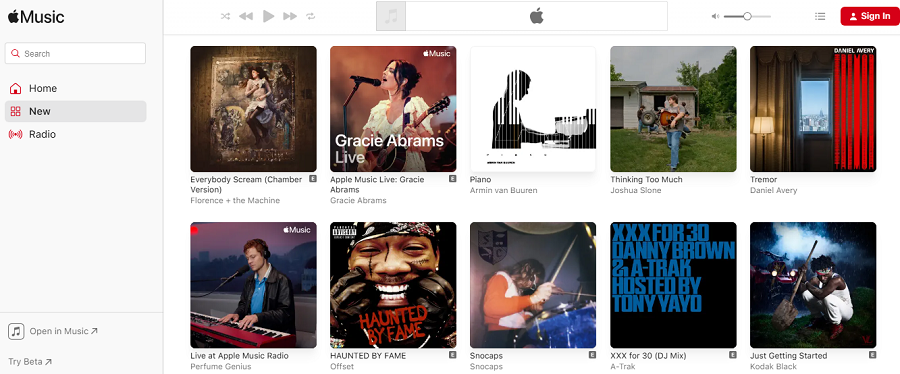
Apple Music is a powerhouse streaming service tightly woven into the Apple ecosystem, offering a premium experience for users who prioritize quality and design. Launched in 2015, it has rapidly grown to include over 100 million songs and countless curated playlists.
Its hallmark is the integration with Apple’s hardware and software, allowing Siri control, seamless syncing with Apple Watch, and spatial audio playback on AirPods. Apple Music’s focus on lossless and high-resolution audio appeals to audiophiles seeking studio-grade sound without compromise.
It also hosts exclusive releases, artist interviews, and live radio shows through Apple Music. While it performs best within Apple’s environment, its Android and web versions ensure accessibility beyond the ecosystem.
For listeners who crave high fidelity and curated elegance, Apple Music remains one of the top Zozoki alternatives.
Key Features of Apple Music
- Curated radio shows and live broadcasts.
- Offline downloads and high-quality audio, including lossless.
- Siri and Apple device integration.
Pricing of Apple Music
| Plan | Price (approx) | Notes |
| Individual | €10.99/month | Standard tier |
| Family | €16.99/month | Up to 6 family members |
| Student | €5.99/month | Discounted tier |
| Voice Tier | €4.99/month | Siri-only interface |
Pros of Apple Music
✅ Excellent for Apple ecosystem users.
✅ High-quality audio with lossless options.
✅ Strong catalogue and live radio content.
Cons of Apple Music
❌ Less seamless on non-Apple devices.
❌ Pricier than some competitors.
❌ Discovery may feel less refined compared to Spotify.
3. Tidal
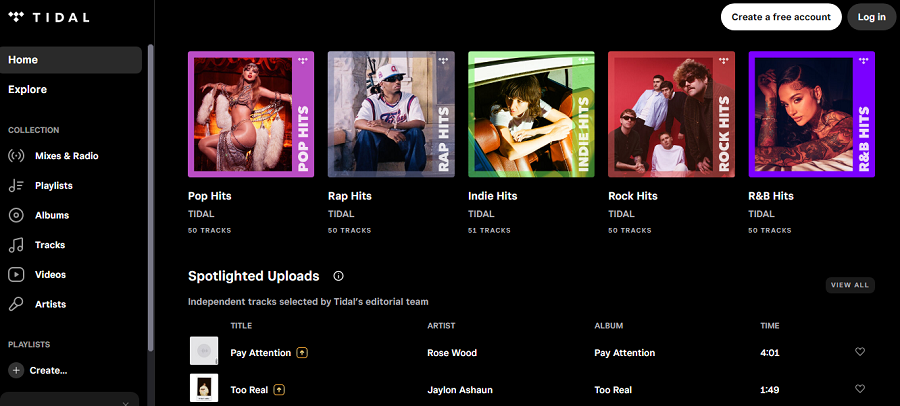
Tidal was founded with a mission to prioritize both sound quality and artist fairness, setting it apart from many competitors.
Co-owned by major artists at launch, the platform emphasizes HiFi and Master Quality Authenticated (MQA) streaming, allowing listeners to experience music exactly as it was intended in the studio. Tidal’s catalogue exceeds 90 million songs, complemented by music videos, exclusive content, and in-depth editorial pieces.
Its clean interface focuses on artist storytelling, offering album notes and credits that highlight creative contributors. The “Tidal Rising” program showcases emerging talent, aligning with the platform’s artist-first philosophy.
Though its premium tiers come at a higher cost, Tidal’s unmatched audio fidelity and commitment to musicians make it a standout choice for those who value authenticity and superior listening.
Key Features of Tidal
- Hi-Fi and Master (MQA) audio streaming.
- Exclusive album releases and videos.
- Offline downloads and multi-device support.
Pricing of Tidal
| Plan | Price (approx) | Notes |
| Premium | €9.99/month | Standard sound quality |
| HiFi | €19.99/month | Lossless CD-quality |
| HiFi Plus | €24.99/month | Master/Hi-res audio |
| Family | €29.99/month | Up to 6 users (HiFi tier) |
Pros of Tidal
✅ Excellent sound quality for audiophiles.
✅ Exclusive content and strong artist support.
✅ High-quality video and editorial content.
Cons of Tidal
❌ Premium hi-res tiers are expensive.
❌ App may feel less polished compared to mainstream platforms.
4. Deezer
Deezer has built a strong reputation as one of the most internationally diverse music streaming platforms.
Available in over 180 countries, it offers a catalogue of more than 90 million tracks, podcasts, and radio stations. What truly sets Deezer apart is Flow, its AI-driven personalized music stream that curates a continuous playlist tailored to your mood and preferences.
The platform supports high-quality FLAC audio under its HiFi plan, ensuring lossless playback for audiophiles. With intuitive design, strong cross-platform compatibility, and wide language support, Deezer excels at delivering a global yet personalized experience.
Whether you’re listening to local hits or international chart-toppers, Deezer offers the versatility and value that make it a compelling alternative to Zozoki Music.
Key Features of Deezer
- Large global music library.
- Flow personalized stream for music discovery.
- Offline listening and multi-device compatibility.
- HiFi tier for lossless audio.
Pricing of Deezer
| Plan | Price (approx) | Notes |
| Free | €0 | Ads and limited features |
| Premium | €9.99/month | Ad-free, offline mode |
| Family | €14.99/month | Up to 6 users |
| HiFi | €19.99/month | Lossless audio option |
Pros of Deezer
✅ Good value for global content.
✅ Flow provides excellent personalized streaming.
✅ HiFi tier for audiophiles.
Cons of Deezer
❌ Free tier is limited.
❌ Hi-res catalogue may not be as broad as Tidal.
5. YouTube Music

YouTube Music seamlessly bridges the gap between traditional music streaming and video content. Backed by the world’s largest video platform, it provides not only official audio tracks but also live performances, remixes, fan covers, and exclusive visuals.
This hybrid experience appeals to users who want to switch effortlessly between listening and watching. YouTube Music’s personalized playlists leverage Google’s extensive AI to tailor recommendations based on both YouTube viewing and listening history.
Premium subscribers enjoy ad-free playback, background streaming, and offline downloads. With its vast content pool and visual integration, YouTube Music offers a unique dimension to music consumption that few platforms can match, which is perfect for listeners who crave variety beyond standard audio streaming.
Key Features of YouTube Music
- Large catalogue including user-generated content.
- Switch seamlessly between audio and video.
- Smart recommendations based on YouTube habits.
- Offline downloads and background listening (Premium).
Pricing of YouTube Music
| Plan | Price (approx) | Notes |
| Free | €0 | Ads, limited background play |
| Premium | €9.99/month | Ad-free, offline, background |
| Family | €14.99/month | Up to 6 users |
Pros of YouTube Music
✅ Massive catalogue with live and cover content.
✅ Seamless integration with YouTube and Google accounts.
Cons of YouTube Music
❌ Audio quality depends on the source video.
❌ Free tier is limited compared to other services.
6. SoundCloud

SoundCloud stands out as the world’s largest open audio platform, empowering creators to share their music directly with listeners.
Founded in 2007, it has evolved into a vital space for independent musicians, DJs, and producers to distribute their work without traditional label constraints. Users can stream millions of tracks, ranging from underground hip-hop to niche electronic genres, not typically found on mainstream platforms.
SoundCloud’s community-driven model fosters direct interaction between artists and fans, with features like comments on tracks, reposts, and personalized playlists.
The platform’s flexibility and user-generated diversity make it an essential destination for discovering fresh, emerging sounds.
While it may lack the polish of bigger services, SoundCloud’s authenticity and creator-first ethos make it a powerful Zozoki alternative for those who love musical discovery.
Key Features of SoundCloud
- Free streaming with ads.
- Paid tiers for offline listening and expanded catalogue access.
- Community engagement through comments and uploads.
Pricing of SoundCloud
| Plan | Price (approx) | Notes |
| Free | €0 | Ads, limited offline mode |
| SoundCloud Go | €5.99/month | Offline mode |
| SoundCloud Go+ | €9.99/month | Offline + full catalogue access |
Pross of SoundCloud
✅ Excellent for discovering emerging and indie artists.
✅ Community-driven platform.
Cons of SoundCloud
❌ Mainstream tracks may be limited.
❌ Audio quality is lower than premium services.
7. Audiomack

Audiomack has quickly established itself as the go-to platform for emerging artists, especially across hip-hop, afrobeats, and regional genres.
It focuses on empowering creators to upload and promote their music freely while giving listeners access to a dynamic mix of trending and underground content. The platform’s mobile-first design and offline download feature make it particularly popular in regions with limited data access.
With millions of tracks available for free and a growing global community, Audiomack champions accessibility and discovery over corporate polish.
Its algorithm promotes new talent rather than repeating mainstream hits, making it ideal for users who want to stay ahead of the musical curve.
In markets where Zozoki Music operates, Audiomack serves as a similarly affordable but more established choice.
Key Features of Audiomack
- Free ad-supported streaming.
- Premium tier for offline downloads and ad-free listening.
- Strong regional and emerging artist focus.
Pricing of Audiomack
| Plan | Price (approx) | Notes |
| Free | €0 | Ads, limited offline mode |
| Premium | €4.99–€9.99/month | Offline, ad-free |
Pros of Audiomack
✅ Great for discovering regional and emerging artists.
✅ Affordable.
Cons of Audiomack
❌ Catalogue limited to mainstream hits.
❌ Audio quality is lower than hi-res services.
8. Amazon Music
Amazon Music has quietly become one of the most comprehensive streaming ecosystems available, leveraging the power of Amazon Prime integration and smart device compatibility.
With multiple subscription tiers, including a free version for Prime members, users can choose between standard or HD/Ultra HD audio. The service integrates smoothly with Alexa, Fire TV, and Echo devices, providing hands-free listening and home automation synergy.
Its catalogue of over 100 million songs spans all major genres, complemented by curated playlists and podcasts. While its interface may feel more utilitarian than flashy, Amazon Music’s combination of flexibility, audio quality, and value makes it a strong contender among the best Zozoki alternatives, particularly for those already invested in Amazon’s ecosystem.
Key Features of Amazon Music
- Integration with Alexa and Fire devices.
- Offline downloads and high-quality audio (HD tier).
Pricing of Amazon Music
| Plan | Price (approx) | Notes |
| Prime Included Tier | €0 (with Prime) | Limited catalogue |
| Unlimited Individual | €10.99/month | Full catalogue |
| HD/Ultra HD Tier | €14.99/month | Lossless and hi-res audio |
| Family | €17.99/month | Up to 6 users |
Pros of Amazon Music
✅ Good value for Prime members.
✅ High-quality audio in HD tiers.
Con of Amazon Music
❌ Free tier limited.
❌ Discovery features are less refined.
9. Pandora

Pandora remains one of the pioneers of music personalization. Its signature feature, the Music Genome Project, uses deep metadata analysis to recommend songs with similar traits, creating an almost human-like understanding of user taste.
Unlike on-demand services, Pandora’s experience centers around smart, radio-style streaming that evolves as listeners provide feedback. The platform now offers both free and paid tiers, with Premium allowing on-demand playback and offline listening.
While geographically limited to the U.S., Pandora’s effortless discovery engine and “lean-back” listening style make it ideal for users who prefer a curated experience over micromanaging playlists.
It’s less about building libraries and more about discovering hidden gems effortlessly, something Zozoki’s audience might appreciate if they’re exploring new artists passively.
Key Features of Pandora
- Music Genome Project-based radio stations.
- On-demand streaming in paid tiers.
- Offline mode for premium users.
Pricing of Pandora
| Plan | Price (approx) | Notes |
| Free | €0 | Ads, limited skips |
| Premium | €9.99/month | On-demand, no ads |
| Family | €14.99/month | Multiple users |
| HiFi | €19.99/month | Lossless audio |
Pros of Pandora
✅ Strong for passive discovery and radio-style listening.
Cons of Pandora
❌ Limited outside the U.S.
❌ On-demand features are less robust.
10. Qobuz
Qobuz is the undisputed leader in hi-resolution audio streaming, catering to listeners who value sound quality above all else. It offers FLAC streaming up to 24-bit/192kHz and pairs this technical excellence with rich editorial content, including artist essays, album reviews, and digital booklets.
Unlike competitors, Qobuz also allows users to purchase and download music outright, preserving ownership in a streaming age. Its clean interface and focus on classical, jazz, and instrumental genres make it particularly appealing to audiophiles and discerning music collectors.
While pricier than most platforms, Qobuz delivers unparalleled sonic depth and respect for artistry, positioning itself as the sophisticated alternative to more commercial services like Zozoki or Spotify.
Key Features of Qobuz
- Hi-res 24-bit audio streaming and downloads.
- Detailed album booklets and editorial content.
- Streaming and music purchase options.
Pricing of Qobuz
| Plan | Price (approx) | Notes |
| Studio Premier | €14.99/month | Streaming hi-res |
| Studio Sublime | €18.99/month or €249/year | Hi-res streaming + purchase discounts |
Pros of Qobuz
✅ Top-tier audio quality.
✅ Excellent for classical, jazz, or niche genres.
Cons of Qobuz
❌ More expensive than mainstream services.
❌ The catalogue is less focused on mainstream hits.
11. Napster

Napster, once infamous for its early file-sharing roots, has reinvented itself as a legitimate and reliable streaming service. Today, it offers a robust catalogue of over 90 million songs, emphasizing ease of use and high-quality playback.
Its interface is straightforward and performance-driven, offering quick access to playlists, radio stations, and offline downloads. While Napster lacks the algorithmic sophistication of Spotify or the brand clout of Apple, it compensates with competitive pricing and consistent reliability.
Its family plans make it a good fit for households, and its business-to-business streaming infrastructure quietly powers several smaller services worldwide. Napster is a proven, mature platform for users seeking simplicity and substance without unnecessary frills.
Key Features of Napster
- On-demand streaming.
- Offline downloads.
- Family plan support.
Pricing of Napster
| Plan | Price (approx) | Notes |
| Individual | €9.99/month | Standard tier |
| Family | €14.99/month | Up to 5 users |
Pros of Napster
✅ Reliable track record.
✅ Decent catalogue.
Cons of Napster
❌ Limited unique features.
❌ The discovery engine is weaker than Spotify.
12. Bandcamp

Bandcamp is not just a streaming service—it’s a movement centered on music ownership and artist support.
It allows listeners to purchase albums directly from artists, ensuring that a higher percentage of revenue goes straight to creators. In addition to streaming purchased music, users can explore countless niche genres, experimental projects, and limited releases unavailable elsewhere.
Bandcamp’s catalog is vast yet intimate, filled with independent musicians and small labels thriving outside the mainstream industry. Its browser-based experience and optional app make access easy, while its editorial content highlights underground trends and hidden gems.
For users who value ethical consumption, artist connection, and musical discovery, Bandcamp offers something that streaming giants—and Zozoki—simply can’t replicate.
Key Features of Bandcamp
- Stream and buy albums/tracks.
- Supports independent artists directly.
- Unique catalogue with niche content.
Pricing of Bandcamp
| Access Type | Price | Notes |
| Free streaming | €0 | Stream in app/browser |
| Purchase | Varies | Buy tracks/albums to download |
Pros of Bandcamp
✅ Supports indie artists.
✅ Stream and download for ownership.
Cons of Bandcamp
❌ Not a full-scale mainstream streaming service.
❌ Offline features depend on purchases.
13. Boomplay
Boomplay is one of Africa’s fastest-growing music streaming services, focusing on regional talent, cultural relevance, and accessibility. With millions of songs and a robust offline mode, it serves audiences in areas with limited internet access.
The app’s social features, such as comment sections, playlists, and community engagement, enhance the user experience beyond passive listening. Boomplay has become a central platform for afrobeats, gospel, and emerging African artists while also hosting global hits. Affordable premium tiers and localized payment options make it accessible to a broad demographic.
For users in Africa and beyond who want to explore the continent’s thriving music scene, Boomplay offers authenticity and diversity unmatched by Zozoki or global mainstream apps.
Key Features of Boomplay
- Regional and African music focus.
- Free tier + paid offline downloads.
- Social features and community engagement.
Pricing of Boomplay
| Plan | Price (approx) | Notes |
| Free | €0 | Ads, limited offline mode |
| Premium | Varies | Offline downloads, ad-free |
Pros of Boomplay
✅ Excellent for African and regional content.
Cons of Boomplay
❌ Less strong for global mainstream hits.
14. JioSaavn
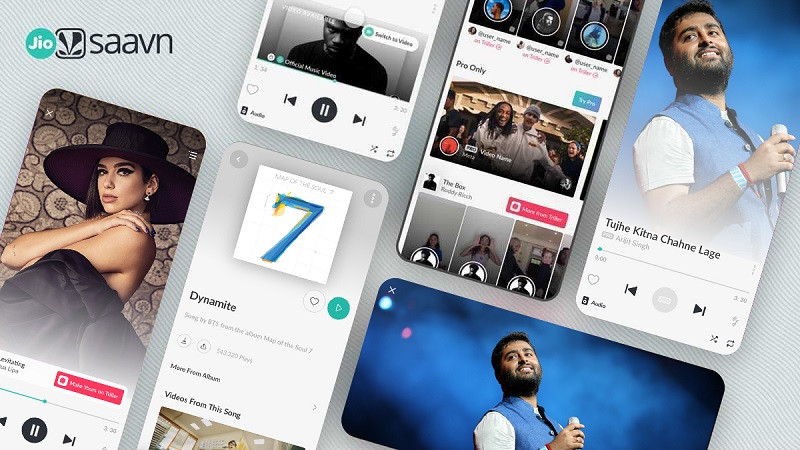
JioSaavn dominates the Indian streaming landscape by offering an extensive collection of Bollywood soundtracks, regional songs, and international hits. The platform blends local culture with modern streaming features, including high-quality audio, smart playlists, and language-based recommendations.
Its integration with Jio mobile services allows seamless access and affordable pricing for millions of users. JioSaavn’s focus on multilingual content—covering Hindi, Tamil, Telugu, Punjabi, and more- makes it the definitive choice for South Asian audiences.
Users can enjoy ad-supported streaming or upgrade to Pro for offline downloads and ad-free listening.
As a Zozoki alternative, JioSaavn excels at delivering cultural depth, affordability, and personalization to listeners across India and the global diaspora.
Key Features of JioSaavn
- Extensive regional Indian catalogue.
- Free ad-supported and paid subscription tiers.
- Offline mode and radio-style stations.
Pricing of JioSaavn
| Plan | Price (approx) | Notes |
| Free | €0 | Ads, no offline downloads |
| Pro | €1.20–€3.50/month | Ad-free, offline mode |
| Family | Slightly higher | Multiple users |
Pros of JioSaavn
✅ Best for Indian/regional music.
✅ Affordable in regional markets.
Cons of JioSaavn
❌ Catalogue may be limited outside India.
Final Thoughts: Best Alternative to Zozoki
Choosing the right music streaming service depends on what matters most to you—sound quality, affordability, catalogue size, or discovery tools.
While Zozoki Music aims to offer a low-cost or even free experience that combines music and video, its vague pricing, limited public documentation, and unclear licensing make it less reliable than established competitors.
If your priority is breadth of content and usability, Spotify remains the strongest all-rounder. Its unmatched discovery algorithms and global availability make it perfect for both casual and devoted listeners.
Apple Music shines for those immersed in the Apple ecosystem or seeking pristine, lossless sound. Tidal and Qobuz dominate the high-fidelity segment, delivering studio-grade streaming quality that serious audiophiles will appreciate.
For budget-conscious users or those focused on emerging markets, Audiomack, Boomplay, and JioSaavn stand out. They provide free or low-cost options while supporting local and independent artists. Meanwhile, YouTube Music offers the most diverse experience, bridging traditional music and visual content in one platform, something Zozoki also attempts, but on a smaller scale.
Ultimately, Zozoki may serve as a basic entry point into online music streaming. However, if you value reliability, verified licensing, and broader access, one of the following established alternatives will provide a far more polished experience.
| Service | Catalogue Size | Audio Quality | Free Tier |
|---|---|---|---|
| Spotify | 100+ million tracks | Up to 320 kbps (Ogg Vorbis) | ✅ Yes |
| Apple Music | 100+ million | Lossless / Spatial Audio | ❌ No |
| Tidal | 90+ million | HiFi / MQA / FLAC | ❌ No |
| Deezer | 90+ million | FLAC (HiFi) | ✅ Yes |
| YouTube Music | Massive (incl. user content) | Variable | ✅ Yes |
| SoundCloud | 80+ million (UGC heavy) | Variable | ✅ Yes |
| Audiomack | 10+ million | Up to 320 kbps | ✅ Yes |
| Amazon Music | 100+ million | Up to Ultra HD | ✅ (Prime limited) |
| Pandora | 70+ million | Standard / HiFi (Premium) | ✅ Yes |
| Qobuz | 100+ million | Hi-Res up to 24-bit/192kHz | ❌ No |
| Napster | 90+ million | Up to 320 kbps | ❌ No |
| Bandcamp | Varies (independent) | High-quality downloads | ✅ Stream limited |
| iHeartRadio | Thousands of radio stations | Standard | ✅ Yes |
| Boomplay | 80+ million | Standard / Variable | ✅ Yes |
| JioSaavn | 80+ million | Up to 320 kbps | ✅ Yes |
FAQs
Zozoki specifies personal, non-commercial use, but public documentation is limited. Verify local legality and app sources.
Public information is unclear; the free tier likely only streams online.
Not clearly stated. For hi-res audio, use Tidal, Qobuz, or Apple Music lossless.
Risks include incomplete catalogue, geo-restrictions, app reliability, and unclear customer support.
Yes, playlists may need manual migration via third-party tools.
Spotify or Deezer for mainstream; Boomplay or JioSaavn for regional focus.
Yes, Nonoki was the former name of Zozoki music.