

Find the best music streaming service to listen to your desired music everywhere you want.
Music streaming in 2025 is really sought-after. What began as a battle for libraries and playlists has evolved into something far more ambitious: platforms competing through sound quality, AI curation, and cultural connection.
The year 2025 marks a turning point. Lossless audio has gone mainstream, algorithms have learned to understand emotion, and even regional apps are redefining how we experience music. Whether you’re chasing audiophile perfection, social discovery, or simple affordability, there’s a streaming service built for your lifestyle.
This blog post introduces the best music streaming services in 2025.
1. Spotify
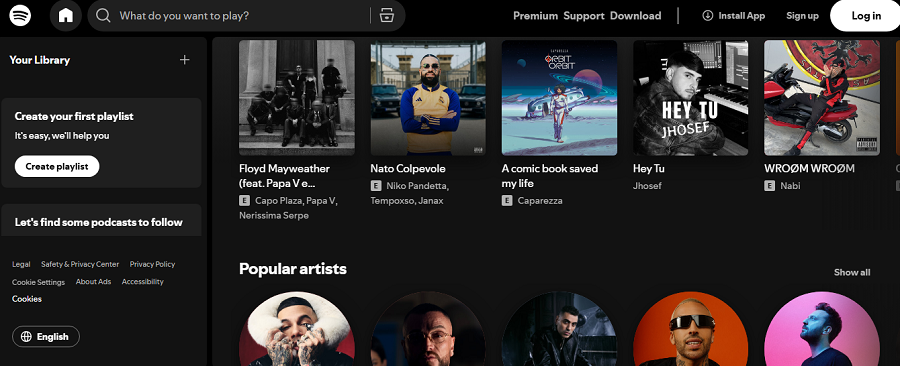
Spotify remains the world’s most influential music streaming platform, with over half a billion users and a reach that defines global listening habits. In 2025, it’s not just a player—it’s an ecosystem where music discovery, social engagement, and intelligent AI coexist.
With the long-awaited rollout of its lossless “HiFi” tier, Spotify has finally bridged the gap between accessibility and fidelity. The app has also matured into a full-fledged media environment, integrating podcasts, audiobooks, and real-time social listening. For most users, Spotify isn’t just where they stream—it’s where their music lives.
Features of Spotify
- AI Curation: Spotify’s Discover Weekly and Daylist adapt to your habits and time of day, blending machine learning with taste profiling.
- Social Listening: Collaborative playlists, friend activity feeds, and group sessions keep the experience communal.
- Multi-Format Platform: Integrates podcasts, audiobooks, and even video snippets for artists.
- Cross-Device Sync: Seamless playback from phone to desktop to car stereo.
- HiFi Audio: FLAC lossless streaming now available in Premium tiers for higher fidelity.
Pricing of Spotify
| Plan | Price (USD) | Key Details |
|---|---|---|
| Free | $0 | Ad-supported, shuffle-only mobile playback |
| Premium Individual | $10.99/mo | Ad-free, offline playback, unlimited skips |
| Duo | $14.99/mo | Two accounts under one plan |
| Family | $16.99/mo | Up to six accounts |
| Student | $5.99/mo | Discounted plan with full access |
Pros of Spotify
✅ Best-in-class music discovery
✅ Engaging social features
✅ Large device ecosystem
✅ Consistent app performance
Cons of Spotify
❌ HiFi rollout still limited regionally
❌ Interface cluttered with podcasts and promos
❌ Lacks exclusive artist releases
2. Apple Music
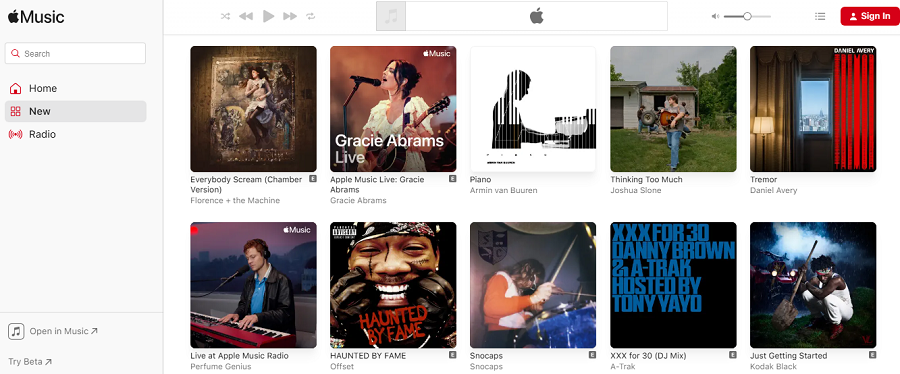
Apple Music in 2025 has grown into the streaming world’s audiophile-friendly powerhouse. Every subscriber now enjoys lossless and high-resolution audio by default, with Dolby Atmos Spatial Audio elevating how we experience albums and concerts alike.
Apple leverages its hardware integration like no other—listening across iPhone, Mac, Apple Watch, and HomePod feels frictionless. And unlike Spotify’s algorithm-heavy approach, Apple doubles down on human touch.
Its editorial playlists, live radio stations, and hand-picked recommendations feel crafted by music lovers, not just data models.
Features of Apple Music
- Lossless & Spatial Audio: Every track available in CD or high-resolution lossless, with Dolby Atmos immersion.
- Human Curation: Playlists and radio shows created by real editors and artists.
- Seamless Ecosystem: Perfect sync with iOS, CarPlay, and Apple devices.
- Music Videos & Live Sessions: Exclusive performances and visual content.
- Offline Playback: Stream or download across devices, including Apple Watch.
Pricing of Apple Music
| Plan | Price (USD) | Key Details |
| Voice Plan | $5.99/mo | Siri-only playback |
| Individual | $10.99/mo | Full access, ad-free |
| Family | $16.99/mo | Up to six users |
| Student | $5.99/mo | Discounted plan |
| Apple One | $19.95+/mo | Bundled with iCloud, TV+, and more |
Pros of Apple Music
✅ Audiophile-level sound by default
✅ Deep Apple ecosystem integration
✅ Expertly curated content
✅ Consistent, elegant interface
Cons of Apple Music
❌ No free tier
❌ Rigid UI customization
❌ Less appeal for Android users
3. YouTube Music

YouTube Music thrives at the intersection of audio and video. By 2025, it’s the default platform for listeners who live on visuals—those who jump between live performances, remixes, and official tracks without skipping a beat.
Fueled by Google’s immense recommendation engine, YouTube Music intuitively predicts what you’ll want next. Its hybrid catalog—spanning studio albums, indie uploads, and vintage concert recordings—makes it unlike any other streaming platform.
Features of YouTube Music
- Audio-Video Switching: Instantly toggle between music videos and audio-only versions.
- Endless Catalog: Includes covers, live sessions, and unofficial releases.
- AI Recommendations: Google’s algorithms learn your context—workout, commute, mood—and adapt.
- Offline Mixtapes: Auto-downloads your most played songs for travel.
- Smart Integration: Works with Android Auto, Chromecast, and Google Home seamlessly.
Pricing of YouTube Music
| Plan | Price (USD) | Key Details |
| Free | $0 | Ads, no background play |
| Premium | $10.99/mo | Ad-free, offline, background play |
| Family | $16.99/mo | Up to six accounts |
| Student | $5.49/mo | Discounted Premium tier |
Pros of YouTube Music
✅ Massive hybrid music-video catalog
✅ Powerful AI personalization
✅ Great for visual music fans
✅ Strong Google ecosystem tie-in
Cons of YouTube Music
❌ Lower max bitrate than hi-res services
❌ Visual-heavy interface can distract
❌ Background play locked behind paywall
4. Amazon Music Unlimited
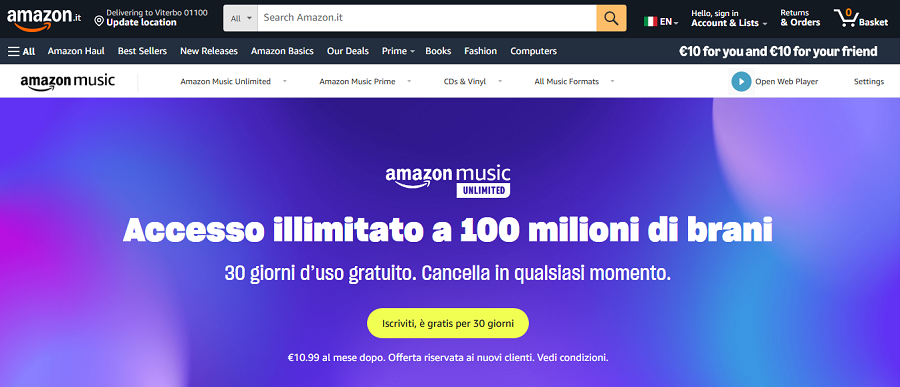
Once overlooked, Amazon Music Unlimited has matured into a serious contender in 2025. Its focus on high-quality streaming at accessible prices makes it one of the most balanced services for mainstream users.
Every subscription includes HD and Ultra HD audio without extra cost, and it’s fully integrated with Alexa—ideal for voice-controlled smart homes. It’s not flashy, but it’s reliable, easy to use, and perfect for those already invested in Amazon’s ecosystem.
Features of Amazon Music Unlimited
- HD & Ultra HD Audio: High-resolution streaming up to 24-bit included for all subscribers.
- Alexa Integration: Hands-free voice control on Echo and Fire devices.
- Expansive Library: Over 100 million lossless songs.
- Personalized Stations: Tailored playlists and stations by genre.
- Prime Member Benefits: Discounts and bundled access for Prime users.
Pricing of Amazon Music Unlimited
| Plan | Price (USD) | Key Details |
| Prime Access | Included | Basic ad-free library |
| Individual | $10.99/mo | Full HD/Ultra HD access |
| Family | $16.99/mo | Up to six users |
| Single Device | $5.99/mo | For one Echo/Fire device |
| Student | $5.99/mo | Discounted plan |
Pros of Amazon Music Unlimited
✅ Affordable high-res streaming
✅ Great for Alexa and smart homes
✅ Strong value for Prime members
✅ Simple, dependable interface
Cons of Amazon Music Unlimited
❌ Weaker discovery and social tools
❌ Less refined UI
❌ Few artist exclusives
5. TIDAL
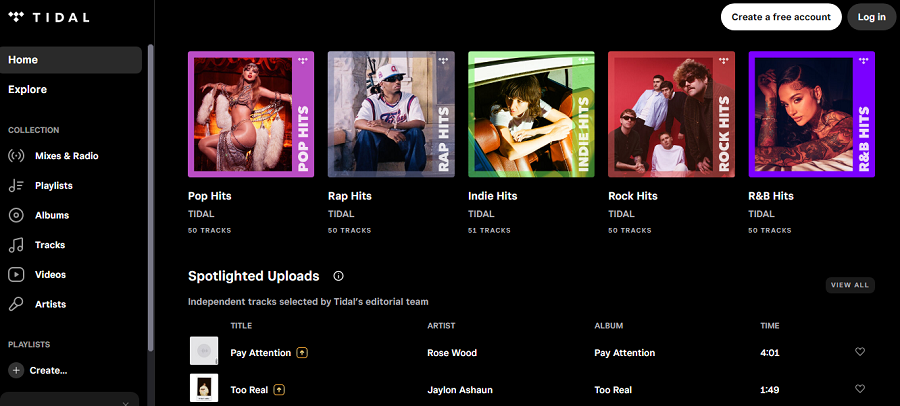
TIDAL is where music lovers and audiophiles meet. Founded with artists in mind, it still champions sound quality and fair compensation.
In 2025, TIDAL stands tall as the audiophile’s choice—delivering FLAC-based HiFi and high-resolution streams that capture the depth of the studio.
Its platform design remains sleek and focused, with curated playlists that favor depth over hype. TIDAL isn’t for background music—it’s for listening intentionally.
Features of TIDAL
- HiFi & HiFi Plus: FLAC and Master Quality Authenticated (MQA) tracks up to 24-bit/192kHz.
- Dolby Atmos & 360 Audio: Immersive listening on compatible gear.
- Artist-First Payments: Transparent royalties and direct artist support.
- Editorial Playlists: Handcrafted by genre experts.
- Offline Hi-Res Playback: Download master-quality albums for offline use.
Pricing of TIDAL
| Plan | Price (USD) | Key Details |
| Free | $0 | Ads, limited quality |
| HiFi | $10.99/mo | CD-quality streaming |
| HiFi Plus | $19.99/mo | Hi-res FLAC, Dolby Atmos, Master tracks |
Pros of TIDAL
✅ Studio-quality audio
✅ Fair artist payout structure
✅ Elegant, minimalist interface
✅ Hi-res offline capability
Cons of TIDAL
❌ Expensive top-tier plan
❌ Smaller user base
❌ Fewer social integrations
6. Qobuz
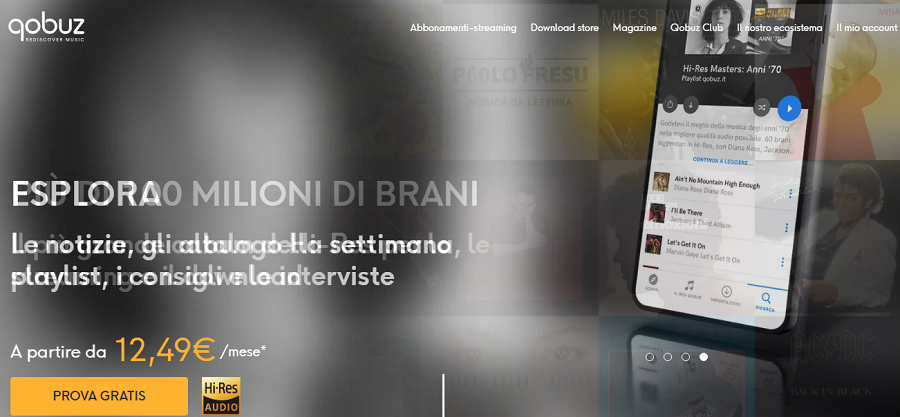
Qobuz remains the connoisseur’s streaming platform—a service built not for trends, but for texture. With its French heritage and uncompromising sound quality, Qobuz treats music as a craft.
It offers both high-resolution streaming and downloadable album ownership, appealing to audiophiles who cherish the tangible experience of collecting.
In 2025, Qobuz continues to pair pristine FLAC audio with in-depth editorial essays, digital booklets, and credit metadata that celebrates musicianship. It’s a platform for those who listen with their minds as much as their ears.
Features of Qobuz
- Hi-Res FLAC Audio: Streams up to 24-bit/192kHz for studio-level quality.
- Album Ownership: Buy and download full albums permanently.
- Detailed Metadata: View liner notes, credits, and booklets.
- Editorial Content: Expert-written album features and reviews.
- Curated Playlists: Handpicked by genre specialists.
Pricing of Qobuz
| Plan | Price (USD) | Key Details |
| Studio Solo | $12.99/mo | Hi-res streaming |
| Studio Duo | $17.99/mo | Two accounts |
| Sublime | $179.99/yr | Streaming + download discounts |
Pros of Qobuz
✅ Best-in-class sound quality
✅ Rich editorial and metadata experience
✅ Option to own your music
✅ Artist-focused curation
Cons of Qobuz
❌ Smaller catalog
❌ Limited mobile social features
❌ Pricier than mainstream rivals
7. Anghami

Anghami represents the sound of the Middle East’s digital generation. Headquartered in Abu Dhabi, it has evolved into more than a streaming app—it’s a cultural hub celebrating Arabic music, language, and lifestyle.
In 2025, Anghami continues to excel in regional curation, offering AI-driven playlists that understand local dialects and trends. Its partnerships with Arabic artists and record labels give it an authenticity global giants can’t match.
Features of Anghami
- Localized Playlists: Deep coverage of Arabic, Khaleeji, and North African genres.
- Hybrid Catalog: Mix of Arabic hits and international tracks.
- Culturally Tuned AI: Recommendations designed for regional nuances.
- Artist Community: Emerging artist support and social engagement.
- Offline Playback: Ad-free HD streaming for paid users.
Pricing of Anghami
| Plan | Price (USD) | Key Details |
| Free | $0 | Ads, limited skips |
| Plus | $4.99/mo | Ad-free access |
| Premium | $9.99/mo | Offline HD playback |
Pros of Anghami
✅ Unrivaled Arabic music coverage
✅ Affordable regional pricing
✅ Localized discovery
✅ Growing artist support network
Cons of Anghami
❌ Limited global reach
❌ No hi-res tier
❌ Smaller Western catalog
8. Trebel
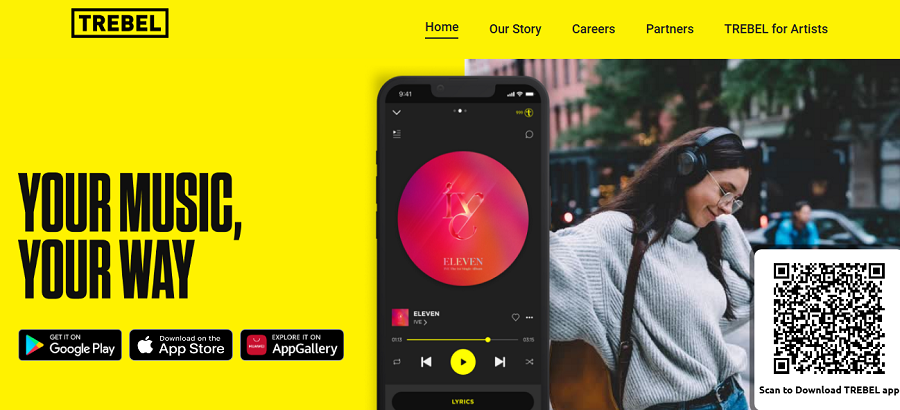
Trebel is redefining free streaming in 2025. Its model flips the industry script by letting users download songs for offline listening without paying a cent—sustained by ads instead of subscriptions.
It has gained traction in Latin America and Southeast Asia, where traditional subscriptions can be cost-prohibitive. Trebel’s offline-first, low-data design makes it one of the most accessible and practical options in emerging markets.
Features of Trebel
- Free Offline Downloads: Earn credits by watching ads, then download songs.
- Legal Music Access: Works directly with labels for licensed content.
- Lightweight App Design: Optimized for low bandwidth and storage.
- Curated Trending Lists: Keeps users connected to new hits.
- No Subscription Barrier: 100% free to use.
Pricing of Trebel
| Plan | Price (USD) | Key Details |
| Free | $0 | Ad-supported downloads |
| — | — | No paid tiers available |
Pros of Trebel
✅ Totally free and legal
✅ Offline access for all users
✅ Data-efficient mobile performance
✅ Great for developing markets
Cons of Trebel
❌ Limited catalog
❌ Lower audio quality
❌ Ad interruptions during use
9. Deezer
Deezer has always been the quiet innovator in the streaming world, a service that doesn’t chase trends but perfects its core experience. Founded in France, it’s often overshadowed by Spotify and Apple Music, yet it consistently ranks among the most polished and community-oriented streaming platforms.
By 2025, Deezer has doubled down on personalization, collaborative playlists, and a “community-first” ethos that connects artists and listeners more directly than most major players.
It’s particularly popular in Europe and Latin America, where its catalog depth, editorial curation, and simple interface have earned loyal fans.
Features of Deezer
- Flow AI Mixes: Deezer’s Flow feature is an AI-driven personalized radio that learns your tastes and continuously adapts, blending old favorites with fresh discoveries.
- HiFi Audio: Deezer HiFi streams FLAC audio (16-bit, 1,411 kbps) for true CD-quality listening, without the audiophile price tag.
- Community Engagement: Listeners can share playlists, comment on tracks, and discover trending music by region or genre.
- Lyrics Integration: Deezer offers one of the most robust, synchronized lyric systems available ideal for singalongs or translation practice.
Pricing of Deezer
| Plan | Price (USD/month) | Key Details |
| Free | $0 | Ad-supported, limited skips, standard quality |
| Premium | $10.99 | Ad-free, offline, full catalog |
| Family | $17.99 | Up to 6 profiles |
| HiFi | $14.99 | Lossless FLAC streaming |
Pros of Deezer
✅ Excellent personalization with Flow AI
✅ Strong lyric and community features
✅ CD-quality streaming without extra complexity
Cons of Deezer
❌ Smaller U.S. presence and limited exclusives
❌ No Dolby Atmos or spatial audio yet
10. SoundCloud

SoundCloud has never pretended to be like the others. While Spotify and Apple Music race to sign major label deals, SoundCloud thrives on raw creativity; it’s where artists are born.
In 2025, it will remain the most artist-friendly streaming platform, hosting over 300 million tracks from independent creators worldwide.
Its hybrid model streaming + social platform keeps it vibrant, unpredictable, and vital to youth culture. It’s not just a listening app; it’s a discovery engine and a launching pad for the next big thing.
Features of SoundCloud
- User-Generated Content: SoundCloud’s vast library includes indie releases, remixes, DJ sets, and podcasts things you won’t find anywhere else.
- Fan-Powered Royalties: Artists are paid based on individual listener streams, making revenue more equitable than on major services.
- Creator Tools: Upload, share, and monetize your tracks directly from the app or web interface.
- Social Discovery: Like, comment, and share tracks in a social feed, blending streaming with community engagement.
Pricing of SoundCloud
| Plan | Price (USD/month) | Key Details |
| Free | $0 | Ad-supported, access to most tracks |
| Go+ | $9.99 | Ad-free, offline playback, high-quality audio |
| Next Pro (for creators) | $12–$16 | Upload and monetize music directly |
Pros of SoundCloud
✅ Best for discovering underground and indie music
✅ Artist-first payment system
✅ Huge community-driven library
Cons of SoundCloud
❌ Inconsistent sound quality across uploads
❌ Less refined interface than top-tier rivals
11. IDAGIO – Classical Music

For classical music aficionados, 2025 belongs to IDAGIO. Unlike general-purpose streaming apps that bury Beethoven between pop playlists, IDAGIO treats classical music with the reverence it deserves.
Its interface is designed around the unique taxonomy of the genre composer, conductor, ensemble, and work making it a godsend for serious listeners.
The platform also collaborates with major orchestras, offering exclusive performances and high-resolution audio designed to preserve the nuances of live acoustics.
Features of IDAGIO – Classical Music
- Classical Metadata System: IDAGIO organizes by composer and work, not just song title, solving classical streaming’s biggest problem.
- Lossless Audio Quality: Streams in FLAC with pristine dynamic range.
- Exclusive Performances: Access to live recordings and sessions from major orchestras worldwide.
- Expert Curation: Editorial playlists designed by conductors, critics, and music historians.
Pricing of IDAGIO – Classical Music
| Plan | Price (USD/month) | Key Details |
| Free | $0 | Limited library, ads |
| Premium+ | $9.99 | Full catalog, offline, ad-free |
| HiFi | $14.99 | FLAC audio, exclusive performances |
Pros of IDAGIO – Classical Music
✅ Best-in-class metadata for classical works
✅ Exceptional sound fidelity
✅ Regularly updated editorial playlists
Cons of IDAGIO – Classical Music
❌ Limited to classical genres only
❌ Small community and discovery features
12. Pandora

Once the pioneer of internet radio, Pandora has evolved quietly into a sophisticated hybrid of streaming and algorithmic radio.
While its global footprint is smaller than its early days promised, it still commands a loyal U.S. audience that prefers effortless listening over playlist tinkering. In 2025, Pandora leans heavily into AI-curated stations, smart integrations with cars and smart speakers, and smooth personalization built on decades of “Music Genome Project” data, the DNA that made it unique in the first place.
Features of Pandora
- Music Genome Project: Pandora’s proprietary algorithm analyzes over 450 attributes per song to build eerily accurate stations.
- Smart Integrations: Native compatibility with Alexa, Google Assistant, and automobile systems.
Personalized Stations: Creates infinite mixes around songs, artists, or moods.
Podcasts and Talk Radio: Blends music and spoken content seamlessly.
Pricing of Pandora
| Plan | Price (USD/month) | Key Details |
| Free | $0 | Ad-supported radio only |
| Plus | $4.99 | Ad-free radio, skips, offline replays |
| Premium | $10.99 | On-demand streaming, offline listening |
Pros of Pandora
✅ Industry-leading radio recommendations
✅ Seamless integration with smart devices
✅ Lightweight, simple user experience
Cons of Pandora
❌ Only available in select countries (mainly U.S.)
❌ Smaller on-demand catalog than competitors
13. Bandcamp

Bandcamp is where streaming meets artistry. Long before the industry caught on to “supporting musicians,” Bandcamp built an ecosystem where fans buy, stream, and collect directly from artists, often with notes, limited editions, and bonus content.
In 2025, it remains the beating heart of the independent music economy, offering streaming as a complement to its powerful sales model. For those who value discovery, authenticity, and ownership, Bandcamp is less a platform and more a movement.
Features of Bandcamp
- Direct Artist Support: Fans can buy music, merch, and physical media directly from creators.
- High-Res Audio Downloads: Offers FLAC, ALAC, and WAV options for audiophiles.
- Editorial Discovery: Bandcamp Daily highlights under-the-radar artists and genres.
- Community Ownership: Followers and artist-fan messaging add a personal connection rare in mainstream apps.
Pricing of Bandcamp
| Plan | Price (USD/month) | Key Details |
| Free | $0 | Stream purchased music, access artist pages |
| Bandcamp Pro (for artists) | $10 | Advanced analytics, fan tools, and customization |
Pros of Bandcamp
✅ Best for supporting independent musicians
✅ Excellent high-quality audio options
✅ Thriving artist-fan ecosystem
Cons of Bandcamp
❌ No broad subscription streaming catalog
❌ Limited mobile app features
14. SiriusXM

SiriusXM has transitioned from satellite radio heavyweight to full-fledged streaming competitor. In 2025, its hybrid model of live radio, curated channels, podcasts, and on-demand content gives it a unique edge in the crowded streaming field.
It’s less about skipping songs and more about being part of a living broadcast culture. With exclusive channels like Howard Stern, live concert streams, and artist-curated stations, SiriusXM feels like radio’s modern reinvention, blending personality with technology.
Features of SiriusXM
- Live Radio and Streams: 400+ channels covering every genre, mood, and era.
- Exclusive Personalities: Howard Stern, sports radio, and celebrity-hosted channels.
- In-Car Integration: Seamless connection with vehicles, even offline through satellite signals.
- On-Demand Library: Replay past broadcasts and shows anytime.
Pricing of SiriusXM
| Plan | Price (USD/month) | Key Details |
| Streaming Platinum | $10.99 | Full channel lineup + on-demand |
| Music Showcase | $4.99 | Music-only channels |
| SiriusXM with Car Radio | $12.99–$19.99 | Full access via satellite and app |
Pros of SiriusXM
✅ Unique mix of live and on-demand content
✅ Great for radio fans and commuters
✅ Massive variety of shows and personalities
Cons of SiriusXM
❌ Focused on North American market
❌ Interface less intuitive than modern streamers
Final Verdict: Choosing Your Soundtrack for 2025
As we enter the mid-2020s, the streaming landscape has matured — but it hasn’t gone stale. What began as a digital alternative to the CD has evolved into a constellation of experiences: algorithmic discovery, lossless fidelity, direct artist support, and even satellite-powered broadcasting. There is no single “best” music streaming service in 2025 — and that’s precisely the beauty of it.
If you crave personalization and cultural ubiquity, Spotify remains the kingpin. Its ever-evolving AI playlists and social integration keep it at the center of everyday listening. Apple Music competes fiercely on quality and ecosystem polish, especially for those immersed in the Apple world. Meanwhile, YouTube Music continues to dominate hybrid listening — blending videos, remixes, and live performances into a playground of discovery.
For listeners chasing pure sonic excellence, TIDAL and Qobuz are still the audiophile benchmarks. TIDAL’s Max Hi-Res FLAC tier finally shed its MQA controversy and doubled down on uncompressed fidelity, while Qobuz appeals to traditionalists who demand pristine sound and editorial curation.
If your taste leans more social and regional, Deezer offers a rare balance of personalization and community — its Flow AI and regional curation quietly rival the big players. And for music explorers, SoundCloud and Bandcamp are cultural goldmines, proving that streaming doesn’t have to mean corporate playlists and cookie-cutter catalogs.
Then there are the specialists: IDAGIO, with its immaculate classical organization; Pandora, the timeless AI radio for those who want effortless mood-based streaming; and SiriusXM, which keeps live radio alive with a 21st-century twist.
The choice, ultimately, depends on who you are as a listener. The casual fan, the audiophile, the creator, or the collector — each has a home in this new golden era of digital sound. In 2025, music streaming isn’t about choosing a single service; it’s about finding the one that resonates with your rhythm.
| Service | Audio Quality | Library Size | Exclusive Content | Price (USD/mo) |
| Spotify | Up to 320 kbps (HiFi tier in rollout) | 100M+ | Podcasts, exclusives | $10.99 |
| Apple Music | Lossless (24-bit/192kHz) + Spatial Audio | 100M+ | Apple exclusives, Dolby Atmos | $10.99 |
| YouTube Music | AAC (256 kbps), HiFi in beta | 100M+ | Videos, live sets, covers | $10.99 |
| Amazon Music Unlimited | FLAC (24-bit/192kHz) | 100M+ | Amazon exclusives | $9.99–$10.99 |
| TIDAL | Hi-Res FLAC (24-bit/192kHz) | 90M+ | Artist-first releases | $10.99–$19.99 |
| Qobuz | Hi-Res FLAC (24-bit/192kHz) | 100M+ | Editorial exclusives | $12.99 |
| Deezer | FLAC (16-bit/1,411 kbps) | 90M+ | Local charts, playlists | $10.99–$14.99 |
| SoundCloud | Varies (user-uploaded) | 300M+ | Indie & user-generated music | $9.99 |
| IDAGIO | FLAC (Lossless) | 2M+ (classical) | Orchestra recordings | $9.99–$14.99 |
| Pandora | AAC (192 kbps) | 70M+ | Talk & radio shows | $4.99–$10.99 |
| Bandcamp | FLAC/ALAC/WAV downloads | N/A (artist uploads) | Direct artist sales | Free / Artist Pro $10 |
| SiriusXM | Variable (stream & satellite) | 400+ channels | Live shows, celebrity DJs | $4.99–$19.99 |
FAQs
There’s no single “best” platform — it depends on what matters most to you. Spotify leads in AI recommendations and community features, Apple Music excels in sound quality and ecosystem integration, and TIDAL or Qobuz dominate for high-resolution, lossless audio. Choose based on your priorities: discovery, fidelity, or exclusives.
Yes — depending on your preferences. Apple Music offers higher audio quality and better integration with Apple devices, while TIDAL and Qobuz outperform Spotify in pure sound fidelity. Deezer and YouTube Music also rival Spotify in personalization and regional curation.
Spotify wins for discovery, playlists, and social listening, but Amazon Music Unlimited edges ahead for Alexa users and lossless sound at no extra cost. If you’re deep in the Amazon ecosystem, Amazon Music feels more seamless; if you love discovering new music, Spotify is more dynamic.
Apple Music currently offers higher-quality audio with Lossless and Hi-Res Lossless (24-bit/192kHz) support, while Spotify’s long-promised HiFi tier is still rolling out. For pure sound quality, Apple Music leads; for user experience and algorithmic curation, Spotify still sets the pace.